
Imagine a bustling factory floor, machines humming, and robotic arms deftly assembling components. Data suggests that businesses using automation see productivity increases of up to 30%. However, have you ever considered the challenges of maintaining a small industrial robot arm? While these flexible robot arms promise efficiency, many users face hidden complications that can affect overall operation.
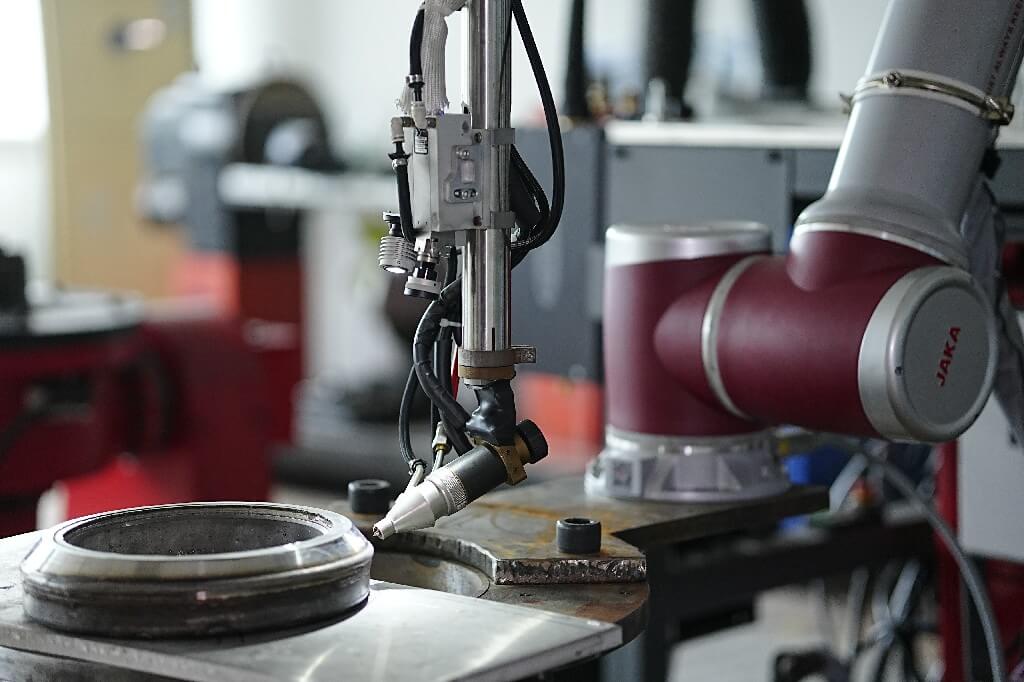
Take a moment to think about the factors impacting these machines—tolerance levels, unexpected errors, or even software updates. The very nature of flexible robot arms complicates their use; improper calibration or inadequate programming can lead to inaccuracies, frustrating operators like you and me. This reality often isn’t addressed until it becomes a pressing issue. The tumultuous tendency toward automation should come with a fine print warning about these potential pitfalls.
What Are Some Common Technical Challenges?
From my experience, the most frequent issues include incorrect integration with existing systems and the rigidity of programming processes. These tools, while flexible in design, can sometimes feel less adaptable in dynamic environments. I can’t stress enough how crucial it is to assess the compatibility of your robotic arm with your workflow. One misalignment could derail productivity for weeks.
The Future of Flexible Robotic Solutions
Fast forward to today, the future seems promising for flexible robot arms. Imagine the advancements we’re on the brink of. New technologies are emerging that facilitate smoother integration and smarter operations. Using a small industrial robot arm in assembly lines could eventually minimize the pain points experienced by users today. Isn’t it exciting to think about how machine learning and AI could refine the capabilities of these robots?
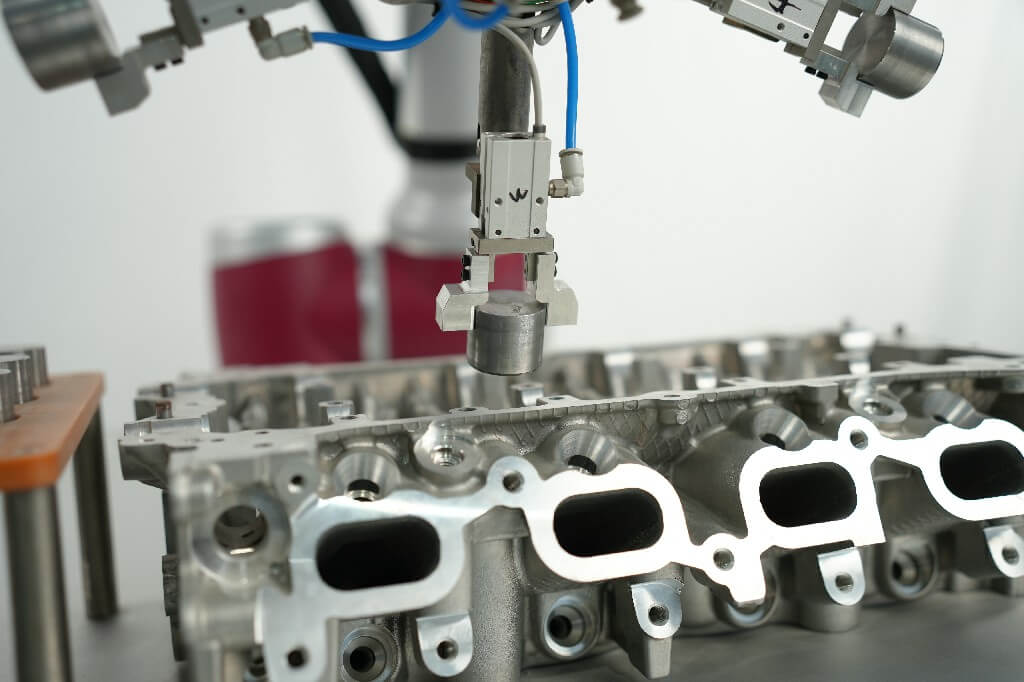
In pursuing these innovations, companies are prioritizing user experience. From refining the user interface to predictive maintenance features that can catch issues preemptively, it’s a game changer. For instance, one recent implementation I encountered planned regular software updates in tandem with guided tutorials for operators, tracking skill development. Not to mention, such initiatives mean less downtime and improved overall efficiency—a win for everyone.
Real-world Impact: What’s on the Horizon?
Summing up, embracing the evolution of flexible robot arms is not just about integrating them; it’s about fostering a deeper understanding of their functioning and operation. New processor capabilities and enhanced design are just around the corner, and the advantageous prospects are immense. Are we ready to leverage these changes? Looking forward, I believe that successful integration hinges on three core evaluation metrics: adaptability to existing systems, ease of use for operators, and scalability for future growth.
In the world of automation, having the right tools sets you apart. Companies that consider these factors will surely gain an edge. Don’t overlook the potential hidden in these flexible robot arms. As always, I’m optimistic about the innovations on the horizon that can reshape our processes. Remember, keeping pace with these advancements while acknowledging the past will lead us toward a robust future. Ultimately, solutions like those from JAKA remain pivotal in this transformative journey.
